Skin Color
It has a direct impact on attractiveness, market acceptance, and selling price





Apple is one of the most widely consumed and economically important tree fruits, cultivated in various regions of Iran and around the world
The following is a detailed list of apple varieties, including common Iranian and international types, along with their names, key characteristics, harvest times, common uses, and cultivation tips for each variety
Traditional Iranian Apples: Varieties commonly found in traditional orchards in Iran that are well-adapted to diverse climates; they usually offer good flavor quality and exhibit medium to high resistance
International Commercial Varieties (e.g., Gala, Red Delicious, Fuji): These varieties are suitable for commercial production, marketing, and export; each has specific climatic requirements and chilling periods, and their selection depends on the region
Early and Late Varieties: Early varieties are suitable for the summer and early autumn market, while late varieties are ideal for long-term storage and the winter market; combining both in an orchard can extend the supply season
Adapted to Local Challenges: Some saplings are bred or selected for resistance to pests, frost, or specific diseases; choosing a variety based on the region’s history and desired resilience is important
Quick tip: For choosing a cultivar, firstChilling hours و market target Check it out.
Register your product specifications for free in the “Sarvban” system, so your product
becomes your showcase and is exposed to over 10,000 real buyers
Cultivation Notes in Iran: Good adaptability in semi‑mountainous regions
moderate winter chilling requirement; regular irrigation during fruit
development and annual pruning for canopy aeration are recommended
Characteristics: Fruit is usually medium-sized; yellow skin with a sheen,
sometimes showing red streaks; moderately sweet and aromatic flavor;
semi‑firm texture
Harvest time: Late summer to early autumn
Uses: Fresh consumption and local use; suitable for the domestic market
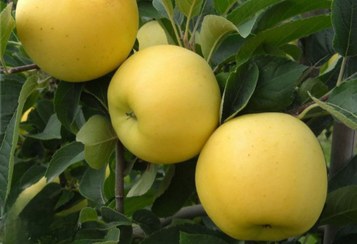
Cultivation Notes in Iran: Suitable for cold and semi‑cold regions; relatively
good cold tolerance; controlling fruit‑boring pests during ripening is
essential
Characteristics: Fruit with a reddish skin; balanced sweet‑tart flavor;
relatively firm texture
Harvest time: Early to mid‑autumn
Uses: Fresh consumption and the local market
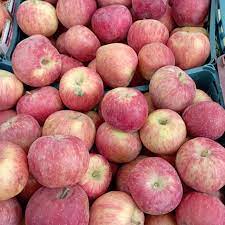
Cultivation Notes in Iran: The use of locally certified seedlings is
recommended, along with maintaining organic nutrient management to
improve fruit firmness and aroma
;Characteristics: A local cultivar known in certain regions; aromatic flavor
typically with a combined yellow‑red coloration
Harvest time: Summer to autumn, depending on the region
Uses: Fresh consumption and local processing (jam, dried)
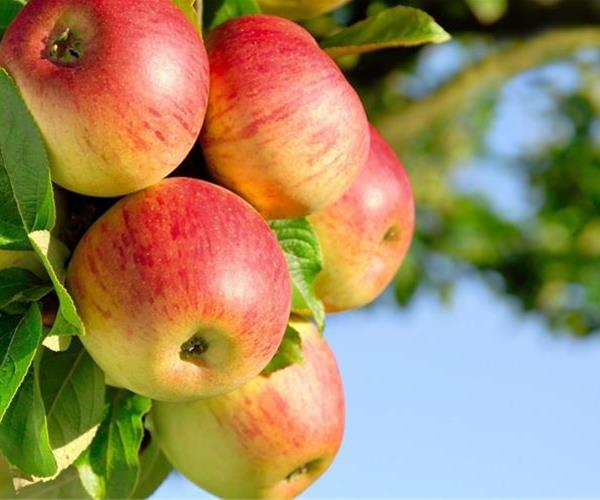
;Cultivation Notes in Iran: Requires full daily sunlight; well‑drained soil
mulching and organic fertilizers are effective in retaining moisture and
enhancing fruit aroma
Characteristics: Fruit is mostly yellow to golden; sweet flavor with notable
aroma; semi‑firm texture
Harvest time: Late summer to early autumn
Uses: Fresh consumption, cooking, and preparation of local products
Cultivation notes in Iran: Requires controlled, moderate nitrogen
fertilization to achieve desired sugar content; irrigation during
fruit‑development stages must be precisely regulated to prevent cracking
Characteristics: Fruit is usually sweeter and indicative of higher sugar
content; skin sometimes reddish‑tinged with a yellow background
Harvest time: Summer to autumn
Uses: Fresh consumption and local sales; some cultivars are suitable for
candying and canning
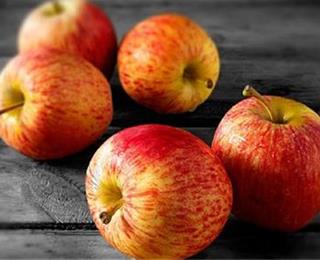
;Cultivation notes in Iran: Good performance in traditional orchards
attention to form‑shaping pruning and control of fungal diseases through
proper canopy ventilation
;Characteristics: A native cultivar with attractively colored, aromatic fruit
balanced texture and a flavor well favored by local consumers
Harvest time: Autumn
Uses: Fresh consumption and domestic market
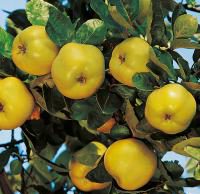
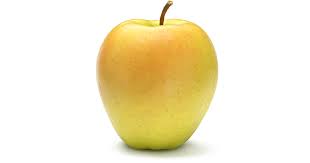
Characteristics: Golden‑yellow skin; sweet‑tart flavor; semi‑firm texture
Harvest time: Mid to late autumn
Uses: Fresh consumption, cooking, and industrial processing
Cultivation in Iran: Requires a defined chilling period; moderate susceptibility to
spotting diseases; suitable for commercial orchards with fungicide management
Characteristics: Glossy red skin; elongated shape; mild to sweet flavor
Harvest time: Autumn
Uses: Fresh consumption and luxury packaging
Cultivation in Iran: For appearance‑driven markets, harvest without bruising; controlling surface pests and sunburn is
important
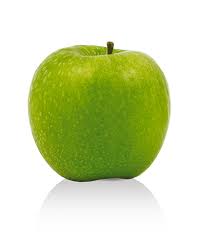
Characteristics: Green skin; sharp, tart flavor; firm and crisp texture
Harvest time: Late summer to autumn
Uses: Cooking, salads, and fresh consumption
Cultivation in Iran: A late‑ripening cultivar with a chilling requirement; tested and successful in some
regions of Iran, but needs an adequately long cool period
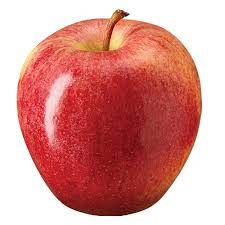
Characteristics: Red‑skinned fruit; pleasant and balanced flavor; sometimes recognized as a
market‑friendly cultivar
Harvest time: Late summer to autumn
Uses: Fresh consumption
Cultivation in Iran: Suitable for temperate to semi‑cold regions; proper rootstock selection and pruning management are
important
Characteristics: Yellow to orange skin with red streaks; sweet and juicy flavor; soft to semi‑firm texture
Harvest time: Late summer
Uses: Fresh consumption and large markets
Cultivation in Iran: A high‑yielding cultivar; suitable for high‑density orchards; requires regular fertilization and controlled
irrigation to maintain fruit quality
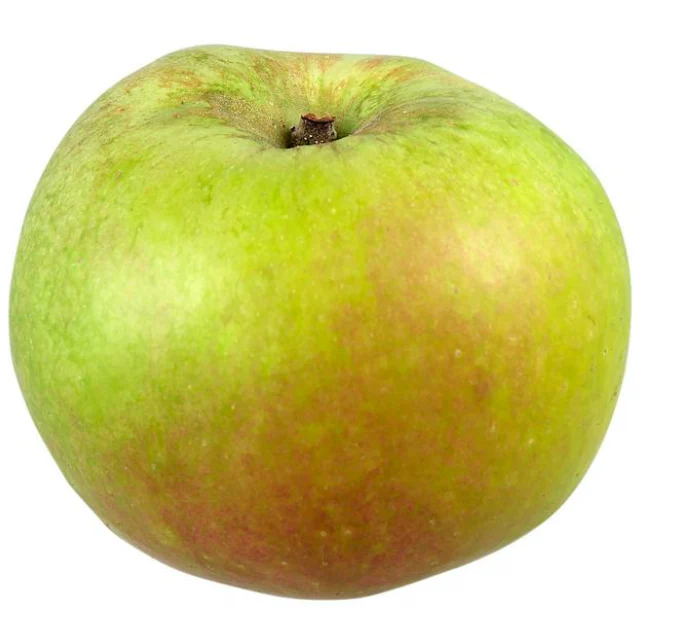
Characteristics: A well‑known English cultivar primarily used for cooking; large fruit with a tart flavor
and a texture suitable for cooking
Harvest time: Autumn
Uses: Cooking and food processing
Cultivation in Iran: Less common, but plantable in specialized orchards for cooking and industrial use; requires sufficient
chilling and careful management to prevent rot
Characteristics: Large fruit; very sweet flavor; firm texture; long shelf life
Harvest time: Late autumn (late‑ripening)
Uses: Fresh consumption and export
Cultivation in Iran: Successful in regions with sufficient winter chilling; ideal for commercial orchards focused on storage and
export; post‑harvest management is essential
Characteristics: A cultivar with commercial traits depending on the sub‑variety; usually pleasant flavor, medium size, and
suitable for the fresh market
Harvest time: Variable (summer to autumn)
Uses: Fresh consumption
Cultivation in Iran: Depending on the sub‑clone, it has been trialed in some orchards; it is recommended to test in small plots
before large‑scale expansion
The Sarvban support team is ready to register your product, provide packaging consultation, and offer export guidance. Send your product details and our colleagues will contact you.
Matching cultivar to climate: Before selecting a cultivar, assess the region’s chilling hours and choose cultivars that are compatible with them
Rootstock Selection: In modern production, use specific rootstocks (such as M9 for high‑density orchards and MMxxxx for specific regions) to facilitate easier size control and yield management
Irrigation and Nutrition: Drip irrigation is recommended to maintain consistent root moisture and improve fruit quality; the fertilization schedule should be based on soil analysis
Planting distances: High‑density orchards (tight rows, 2–3 m) suit Gala and Fuji; traditional spacings (6–9 m) are better for older cultivars and seedling rootstocks
Pest and disease management: Implement an IPM program; conduct regular monitoring during the growing season; apply targeted sprays for leaf spots, codling moth, and rots
Harvest and post‑harvest: For export cultivars (Fuji, Golden), rapid cooling and cold‑storage are required; careful hand‑picking is essential to preserve the appearance of packaging‑friendly cultivars (Red Delicious)
Apple performs well in temperate to cold regions with cool summers and cold winters. In Iran, provinces such as East Azerbaijan (Marand, Sabzeqaba),
West Azerbaijan, Ardabil, Hamadan, Zanjan, and certain high‑altitude areas of Khorasan and Kermanshah are among the best‑known regions. Deep, well‑drained soils with a pH
close to neutral, along with adequate water availability, form the foundation for a successful apple orchard
Register your product specifications for free in the “Sarvban” system, so your product
becomes your showcase and is exposed to over 10,000 real buyers
Export apples must be prepared in terms of quality, packaging, and logistics so that by the time they reach the destination market, their appearance, flavor, and marketability are preserved
Uniform and glossy color; free from physical blemishes or sunburn
Proper firmness (not soft) to prevent mechanical damage and extend shelf life
Uniform size and weight within the package (graded by size)
Sugar/acidity ratio tailored to the taste preferences of the destination market
Internal moisture content and incidence of pests and diseases at zero or below the permissible threshold
Healthy, intact skin with no wounds or cracks (minor blemishes may be acceptable for domestic markets, but not for export)
Protective packaging: cardboard boxes with perforations or layers of aqua foam/cardboard dividers
Each packaging unit labeled with cultivar name, origin, harvest date, size grade, and number
Ventilation and humidity inside the package adjusted to prevent condensation and rot
Removal or covering of excess stems/leaves that can trap moisture
Storage temperature appropriate for the cultivar (typically between 0 to 4 °C for most cultivars) and a relative humidity of 90–95% to prevent shriveling
Ethylene management: segregation of ethylene‑sensitive cultivars and use of ethylene absorbers or airflow regulation
Rapid pre‑cooling after harvest to remove field heat and reduce fruit respiration
Airflow system and organized racking to prevent localized hot or cold spots
Compliance with the destination country’s sanitary and phytosanitary standards (maximum residue limits for pesticides) and provision of the relevant certificates
Lot tracking code to trace origin and harvest date
Packaging and labeling in accordance with import regulations (language, nutritional information if required, country of origin)
Customs documents, phytosanitary certificate, and, if required, organic/FSMS certification
Maintaining the cold chain from farm to destination; even the shortest break in the cold chain reduces shelf life
Fast transportation and selection of an appropriate route/method (air freight for time‑sensitive markets; sea freight with controlled‑atmosphere containers for high volumes)
Avoid tight stacking that causes bruising; use standard arrangement and protective layers between tiers
Scheduling loading during cooler hours of the day and arranging pallets to maintain ventilation and accessibility
Random sampling of packages for testing firmness, appearance, and pesticide residues (if required)
Removal of fruits with mechanical damage or signs of decay
Recording cold storage conditions (temperature/humidity) and barcode/lot number for each pallet
If your goal is the local market and high adaptability, the mentioned Iranian cultivars (Zanuz, Marand, Shafiabadi, Golab, Ghandak, Golshahi) are suitable options and require simpler management
For value-added fresh markets or export, Fuji, Gala, and Golden Delicious are more suitable, but they require cooling infrastructure and robust pest/disease management
Practical suggestion: On a small scale (1–2 hectares), combine plantings (e.g., 60% local cultivar + 40% commercial cultivar like Fuji or Gala) to preserve local adaptability while diversifying markets and seasonal revenue